English
English

Temple of Horus at Edfu is a large, exceptionally well-preserved Ptolemaic temple in Aswan Governorate dedicated to Horus of Behdet. Built from about 237 BCE to about 57 BCE, it leads visitors from a monumental pylon into a broad courtyard, roofed...
Also Known As
Edfu Temple
Did you know?
For centuries, the temple was partially buried in sand and village debris up to roof level. Nineteenth-century excavations cleared it and exposed the preserved interiors.
Construction began under Ptolemy III Euergetes I around 237 BCE and was largely completed under Ptolemy XII around 57 BCE, making Edfu one of the last great Egyptian temple complexes.
Edfu’s inscriptions are a key source for late Egyptian temple theology and ritual, including detailed descriptions of daily offerings and major festivals.


The temple's massive entrance rises over 35 meters high and is decorated with dramatic reliefs of pharaohs defeating their enemies. It's one of the tallest surviving temple gateways in Egypt and an unforgettable first impression.
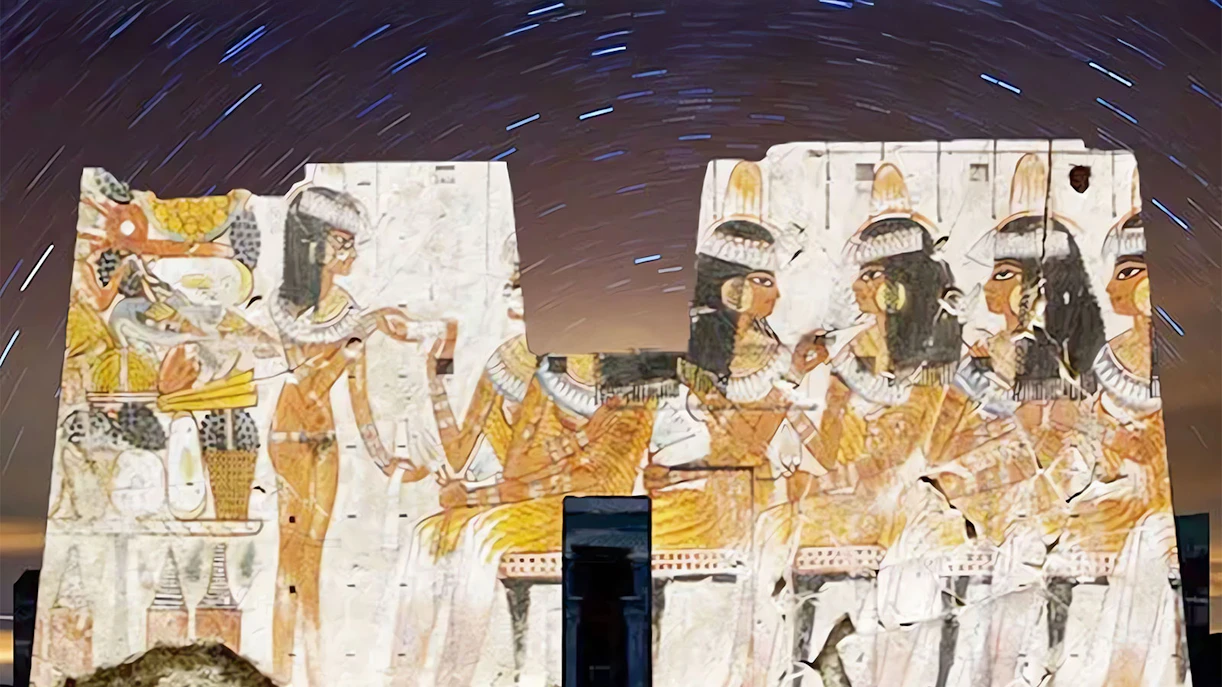
Plan to spend around 2 hours exploring Edfu Temple, or up to 3 hours if you're interested in the intricate inscriptions and ancient Egyptian mythology. Although the route is straightforward, taking your time allows you to appreciate the temple's exceptional state of preservation.
Start at the monumental Great Pylon before entering the open courtyard and the magnificent Hypostyle Hall. Continue toward the Sanctuary of Horus, where the temple's most sacred rituals once took place, then explore the surrounding chambers filled with detailed reliefs and inscriptions. Finish by walking around the outer walls, where you'll find some of the best-preserved depictions of ancient religious festivals.
Must-see: The Great Pylon, Hypostyle Hall, Sanctuary of Horus, and the temple's detailed reliefs.
Optional: Spend extra time studying the inner chambers and exterior inscriptions if you're particularly interested in ancient Egyptian religion.
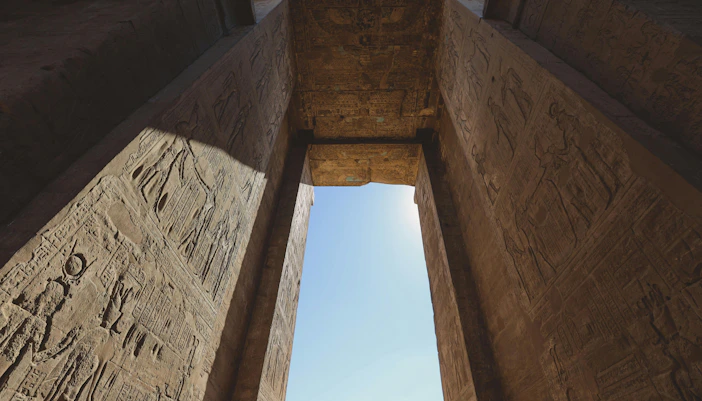
Edfu Temple is a masterpiece of Ptolemaic Egyptian architecture, faithfully preserving the design principles of earlier pharaonic temples with monumental gateways, columned halls, and a symmetrical progression toward the sacred sanctuary.
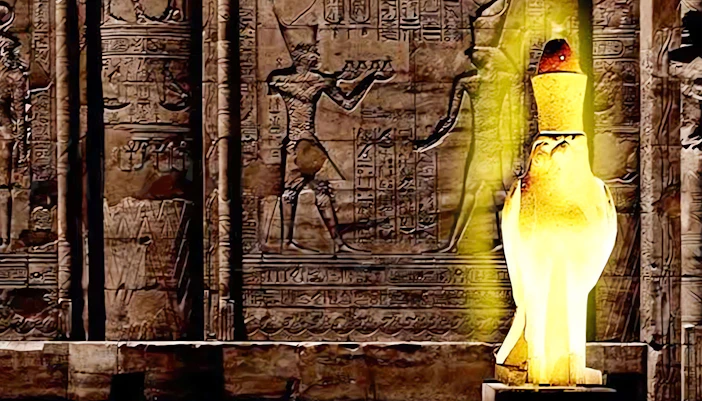
Built between 237 BC and 57 BC, the temple follows a carefully planned axial layout that guides visitors from the towering entrance to the innermost sanctuary. Its exceptional preservation makes it one of the best surviving examples of ancient Egyptian temple engineering.
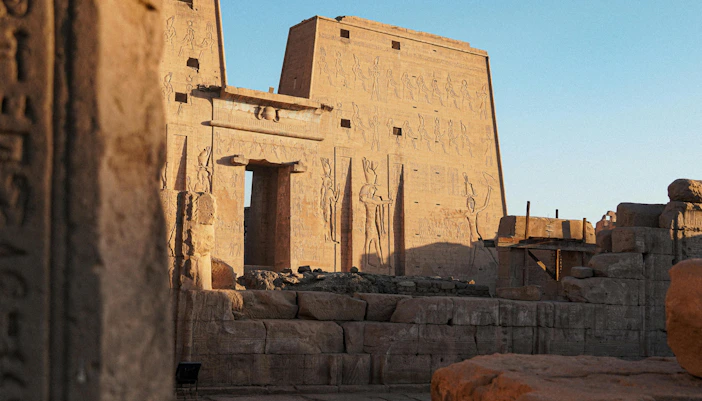
Constructed from locally quarried sandstone, the temple is covered in deeply carved hieroglyphs and reliefs. These inscriptions remain remarkably intact, preserving religious rituals, myths, and royal ceremonies in extraordinary detail.
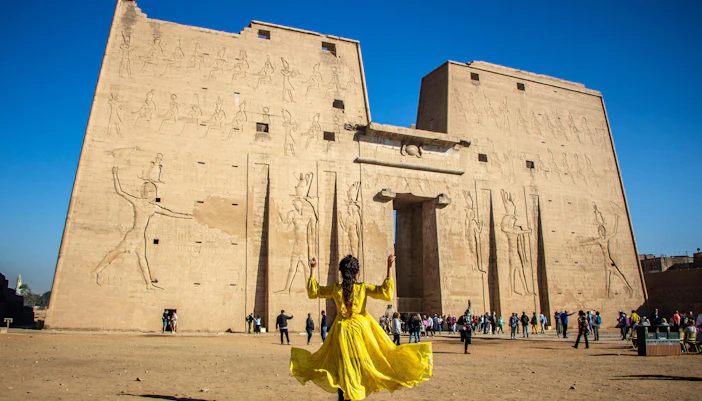
The soaring Great Pylon, spacious open courtyard, majestic Hypostyle Hall, and Sanctuary of Horus showcase the classic layout of an ancient Egyptian temple. Every space was designed to become progressively more sacred as worshippers moved inward.
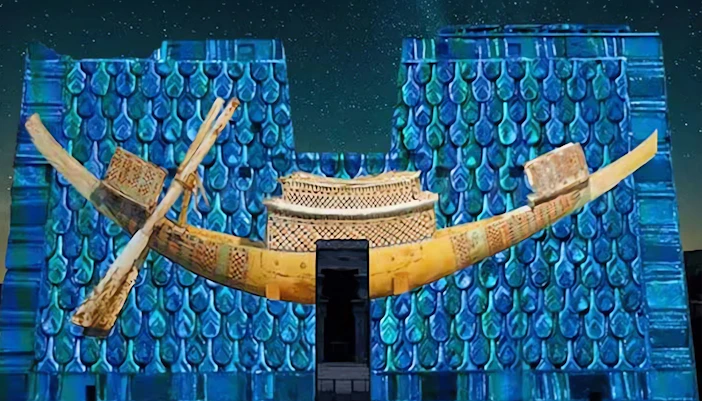
Walking through Edfu Temple feels like entering a living monument rather than a ruin. Towering columns, richly carved walls, and well-preserved chambers offer one of the closest experiences to how an ancient Egyptian temple would have looked over 2,000 years ago.
Absolutely. Edfu Temple is one of the best-preserved ancient temples in Egypt, with remarkably intact carvings, monumental architecture, and fascinating mythology. It's a must-visit for anyone interested in ancient Egyptian history and is a highlight of many Nile cruise itineraries.
Most visitors spend between 1.5 and 2 hours exploring the temple. If you're visiting with a guide or enjoy studying the intricate reliefs and inscriptions, allow up to 3 hours for a more comprehensive experience.
Don't miss the Great Pylon, the impressive Hypostyle Hall, the Sanctuary of Horus, and the detailed wall reliefs depicting ancient myths and religious ceremonies. These are the temple's defining highlights and showcase its exceptional preservation.
Yes. The temple's spacious courtyards, impressive architecture, and easy-to-follow layout make it enjoyable for families. Older children interested in mythology or history often find the carvings and stories of Horus especially engaging.
A self-guided visit is possible, but hiring a guide greatly enhances the experience. The temple's inscriptions and reliefs tell complex stories about Horus, ancient rituals, and Ptolemaic Egypt that are much easier to appreciate with expert interpretation.
Edfu Temple is considered the best-preserved temple from ancient Egypt, with much of its original structure, inscriptions, and decorative carvings still intact. It offers one of the most complete experiences of what a functioning Egyptian temple looked and felt like over 2,000 years ago.